
EDUCATIONAL PROGRAMS - NATUREWORKSPARK
Community
Programs
Hands-on, seasonal programs led at the park — from a winter wildlife walk to stream monitoring, native-plant gardening, and building your own rain barrel. Learn how to care for the land where you live.
Season
January–September
Audience
All-ages & community
— What is an Exceptional Value wetland?
The whole park is a classroom.
NatureWorksPark offers a year-round series of adult and community programs — each one designed to send you home with something you can actually do, whether that's a healthier garden, a cleaner stream, or a yard that supports more wildlife.
Programs run from a short guided walk to a full hands-on session. They're led on-site among the park's trails, gardens, wetland and demonstration plantings, so what you learn is rooted in the real Pennsylvania landscape.
Many Programs
All Ages
geared to adults & the wider community
In The Park
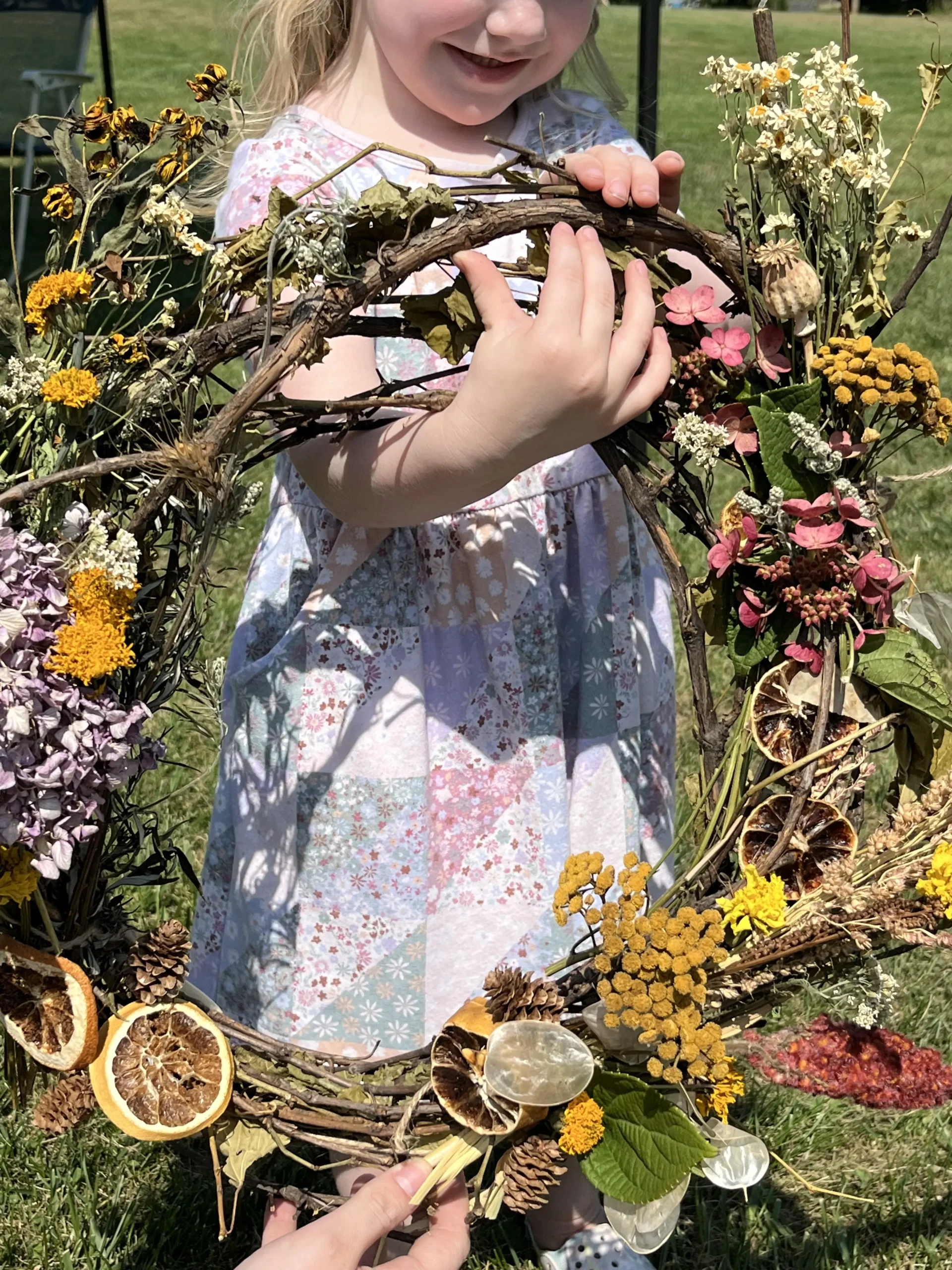
Native plantings used in the programs
— at a glance —
Find the right program for the season.
Most programs follow the growing year. Here's when each one typically runs — check the events calendar for this season's scheduled dates.
Winter
January
Wildlife in Winter Walk
Spring
May & June
Gardening 101
Rain Barrels & Rain Gardens
Stream Monitoring
Summer
June & July
Plants for Pollinators
fall
September
Riparian Buffers
— Adult & community programs —
ways to dig in.
• January · Winter
Wildlife in Winter Walk
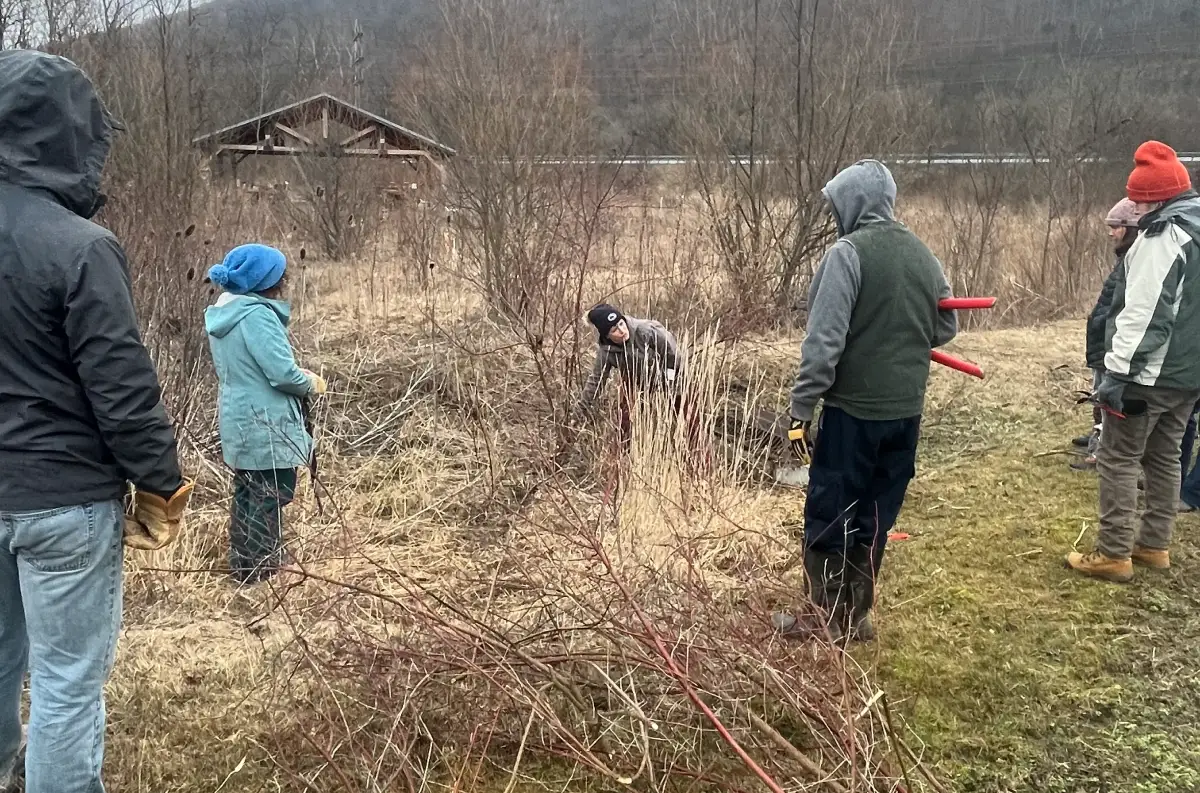
Take a short walk and learn how you can help wildlife survive the winter. Temperatures drop fast, the smallest creatures struggle to keep warm, and larger ones must find enough food to get through the night. We'll discuss how animals make it through — by hibernating, staying active, or migrating — and the ways you can help: planting native plants, building brush piles for shelter, and leaving tall grasses and bushes standing through the fall.
Guided walk | Wildlife | Book Clubs
• May & JUNE · SPRING
Gardening 101
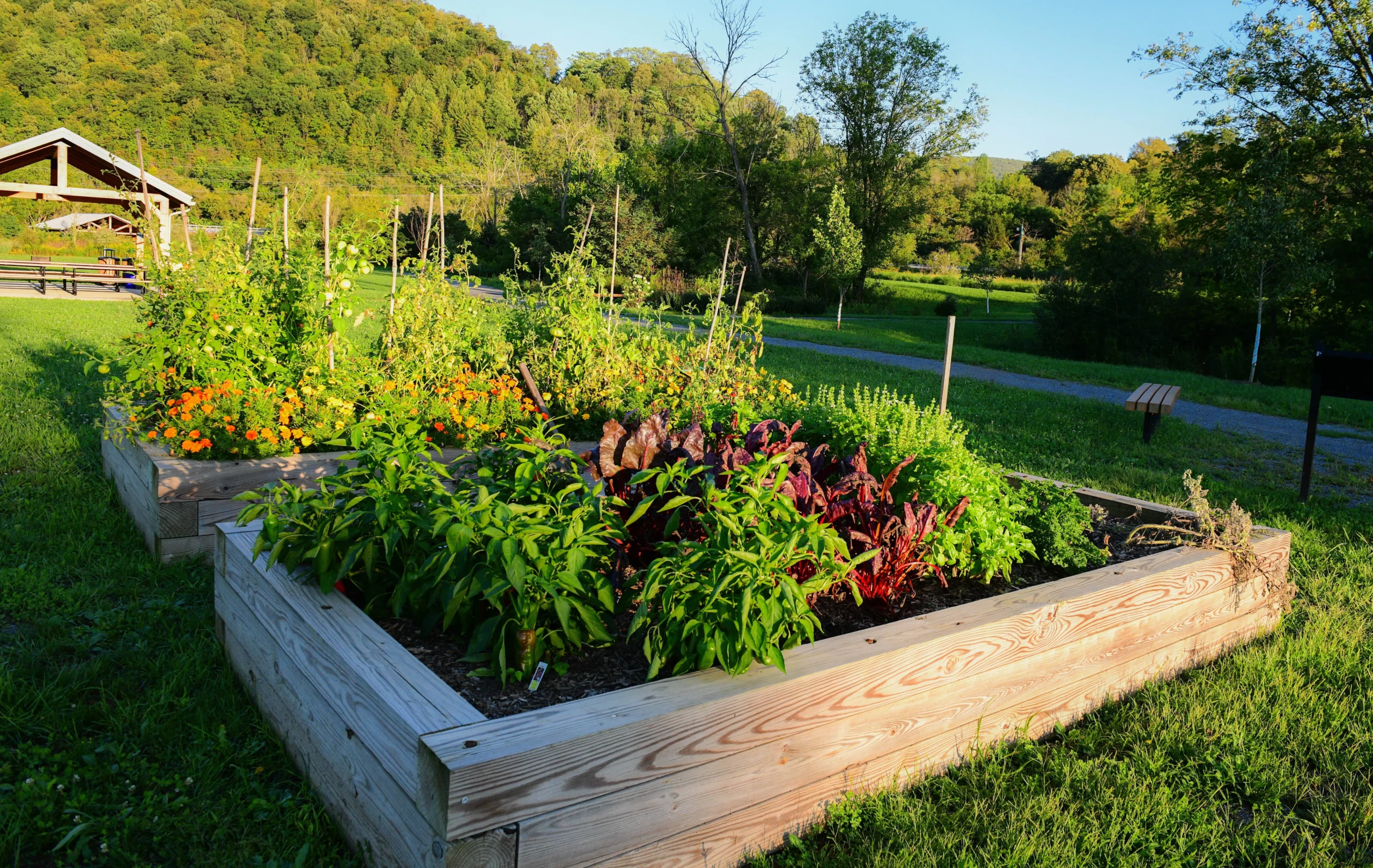
Stay active by gardening and growing your own healthy food. We'll explore different methods of gardening so you can choose the one that fits you best. Learn about soil and the different ways to compost — cutting down what goes to the landfill while creating your own natural fertilizer to help your garden grow.
hANDS-oN | gROWING fOOD | cOMPOSTING
• May & June · Spring
Rain Barrels & Rain Gardens: Do Your Part!
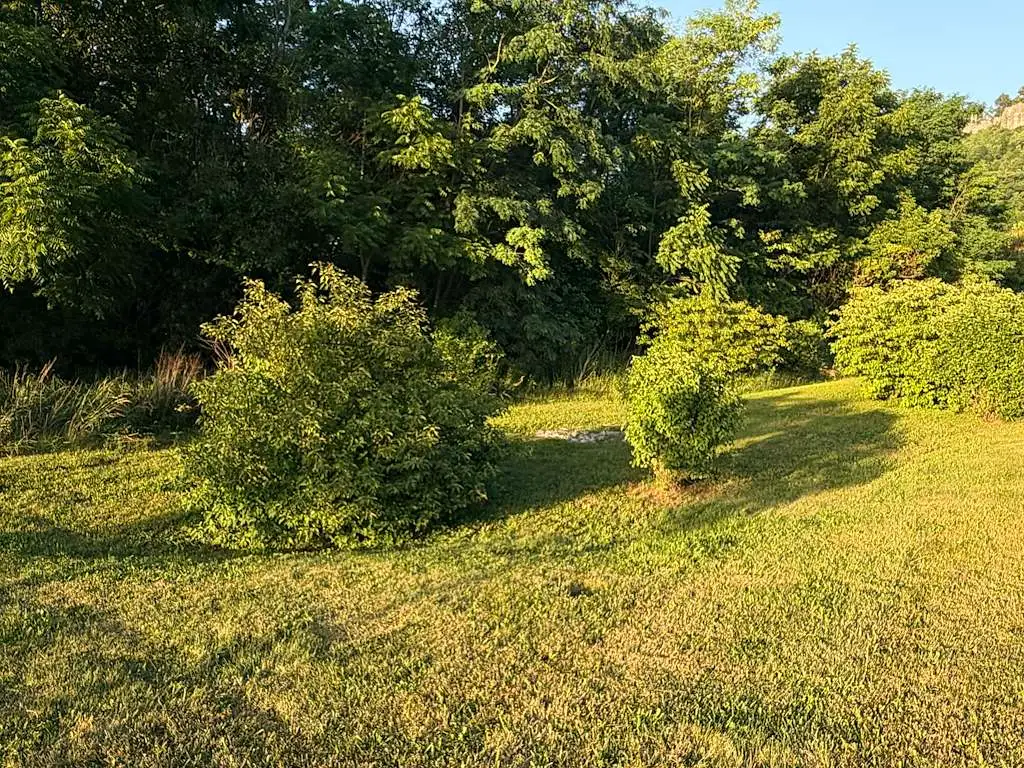
Even a small backyard can make a difference in local water quality. Got a wet spot that never seems to dry out? You may have the perfect place for a rain garden — learn which native plants thrive in wet soil and how to turn that spot into a beautiful, natural display. Want to collect free water for your garden? We'll show you how to build a rain barrel that captures runoff straight from your downspout.
wATER qUALITY | rAIN gARDEN | cOMPOSTING
• May & June · Spring
Stream Monitoring
Learn how to easily check your local stream's water quality. Macroinvertebrates — the tiny insects that live in streams — are a quick, simple indicator of stream health. We'll catch live stream macroinvertebrates and identify them using a dichotomous key to determine whether the water is clean enough to support a healthy fish population.
Field Science | Macroinvertibrate | Composting
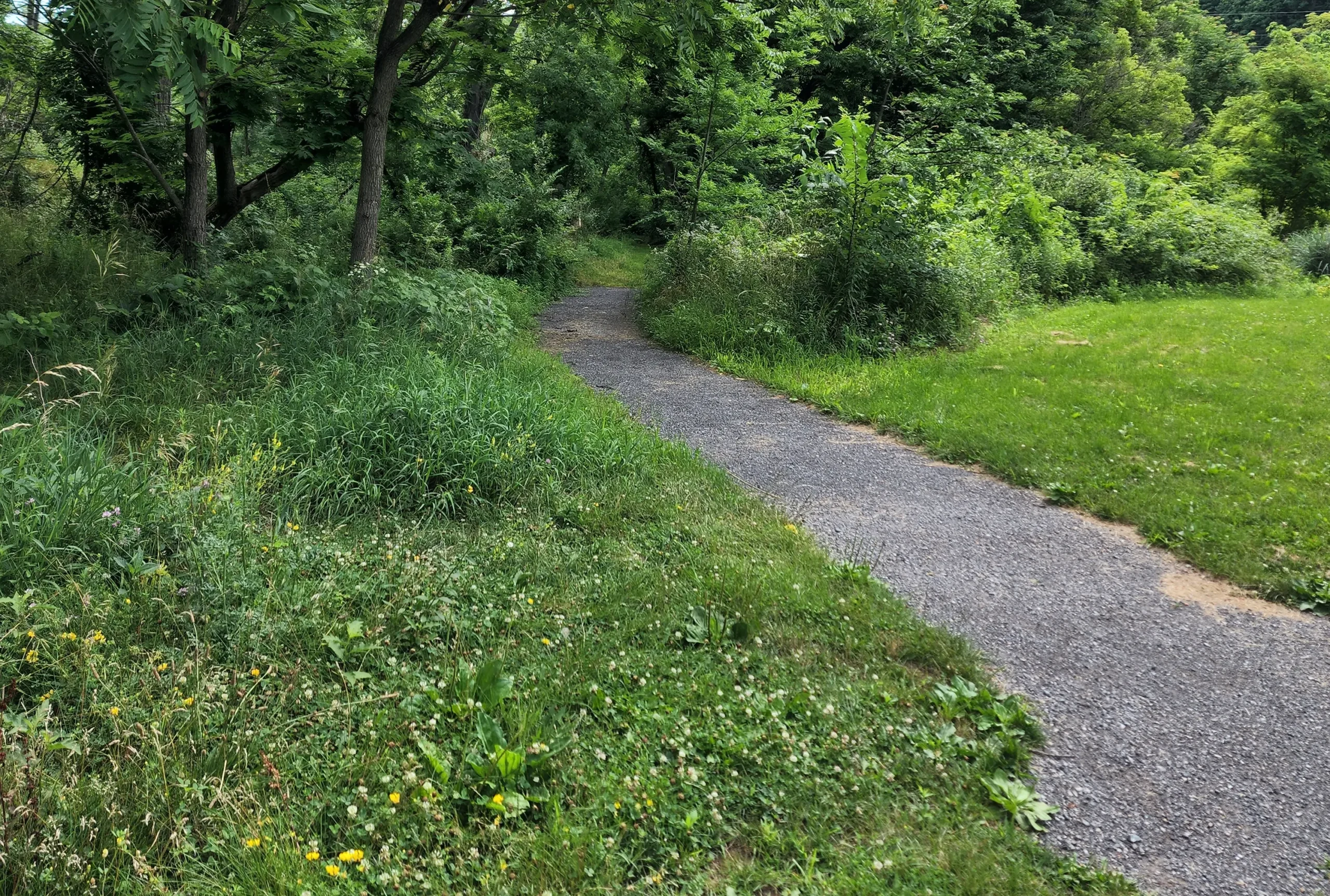
• June & July · Summer
Plants for Pollinators
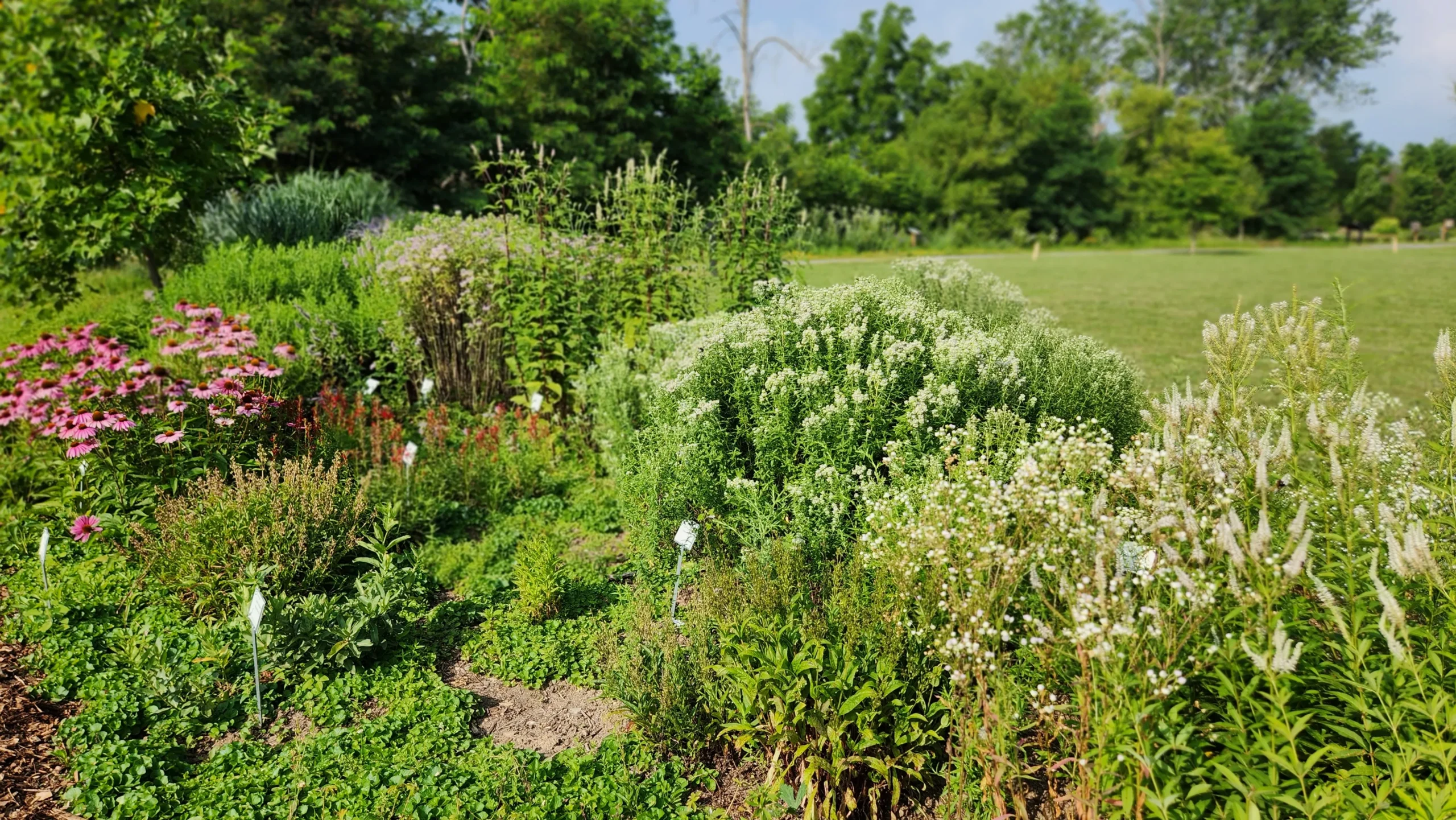
Learn why native plants matter so much to the pollinators in our area. Research by Dr. Doug Tallamy of the University of Delaware found that 90 percent of our native insects are specialists, feeding on three or fewer plant families. These insects rely on native host plants and can't eat the exotic species common in our yards and nurseries — and fewer native insects means fewer birds, with not enough food for their young. What we plant in our yards will shape the wildlife that can live in Pennsylvania in the future.
Native Plants | PoLlinators | Backyard Habitat
• September · Fall
Riparian Buffers: Why Do We Need Them?
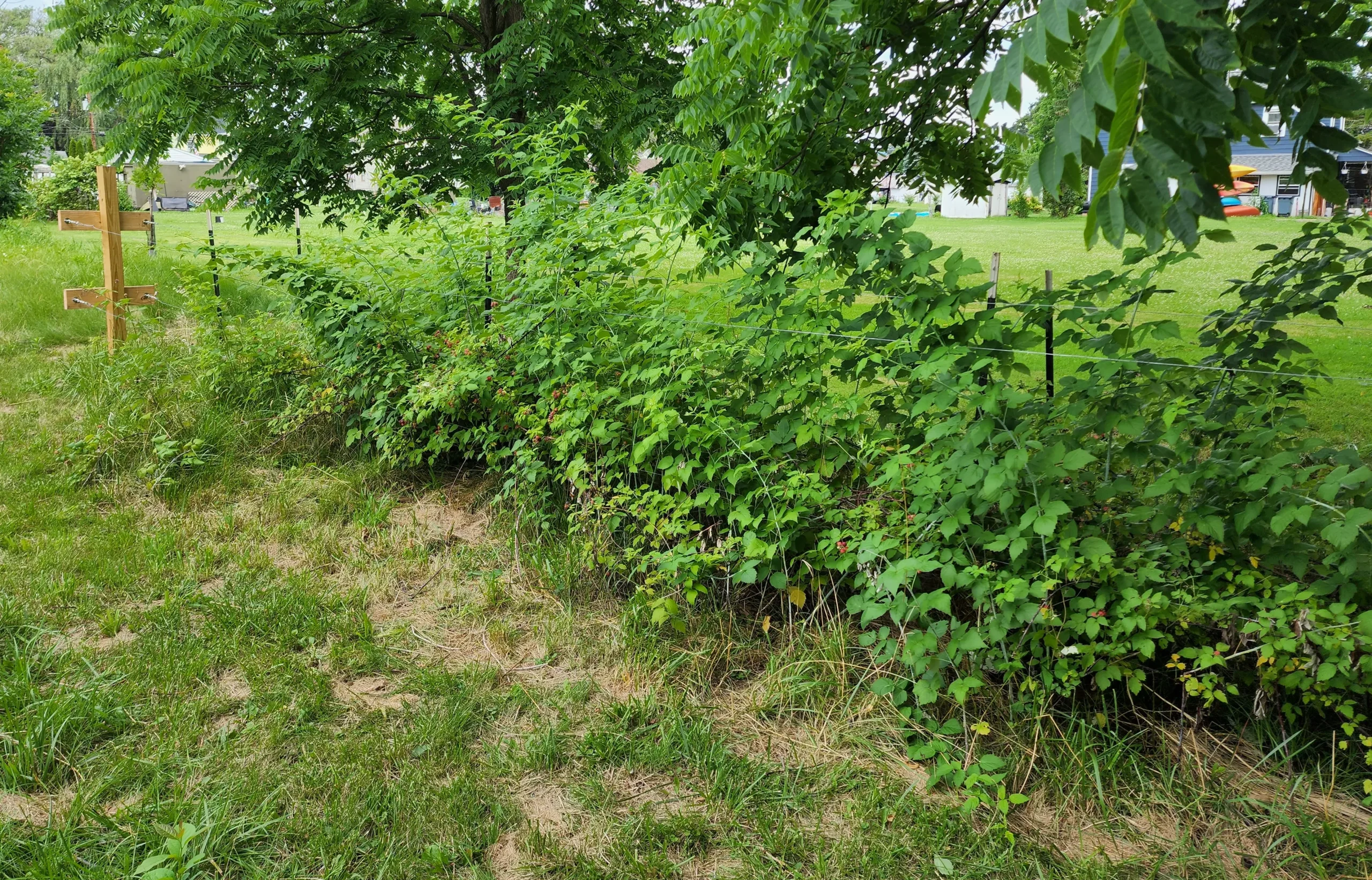
Location, location, location. We'll talk about where, how, and why to plant your own riparian buffer. Live near a small stream? Learn why streamside buffers matter — how they shade the water and keep pollution from reaching it — and how to establish one of your own.
Streamside Planting | Clean Water | Buffers
— Join a program
Register for
a Program date.
Programs are scheduled throughout the season and can also be arranged for community groups. Contact the Blair County Conservation District for upcoming dates, registration, and group requests.