
Exhibit - No. 6
Multi- Functional Buffer
A streamside buffer that earns its keep. The same trees and shrubs that shade and filter the water can also grow berries, nuts, cut flowers and willow — a buffer that gives back.
Location
Along the stream corridor
Best Season
Year – round
— What is a multi-functional buffer?
A buffer that does double duty.
A multi-functional buffer is a riparian buffer planted to a landowner's goals. It protects the stream exactly like any buffer — shading the water, filtering runoff, holding the bank — but it's also planted with species that produce something useful.
Edible buffers of elderberry, blueberry or fruit trees; floriculture buffers of native flowers and willow grown for harvest or enjoyment. Conservation and yield, from the same strip of ground.
Protects
Produces
berries, nuts, cut flowers & willow
In The Park
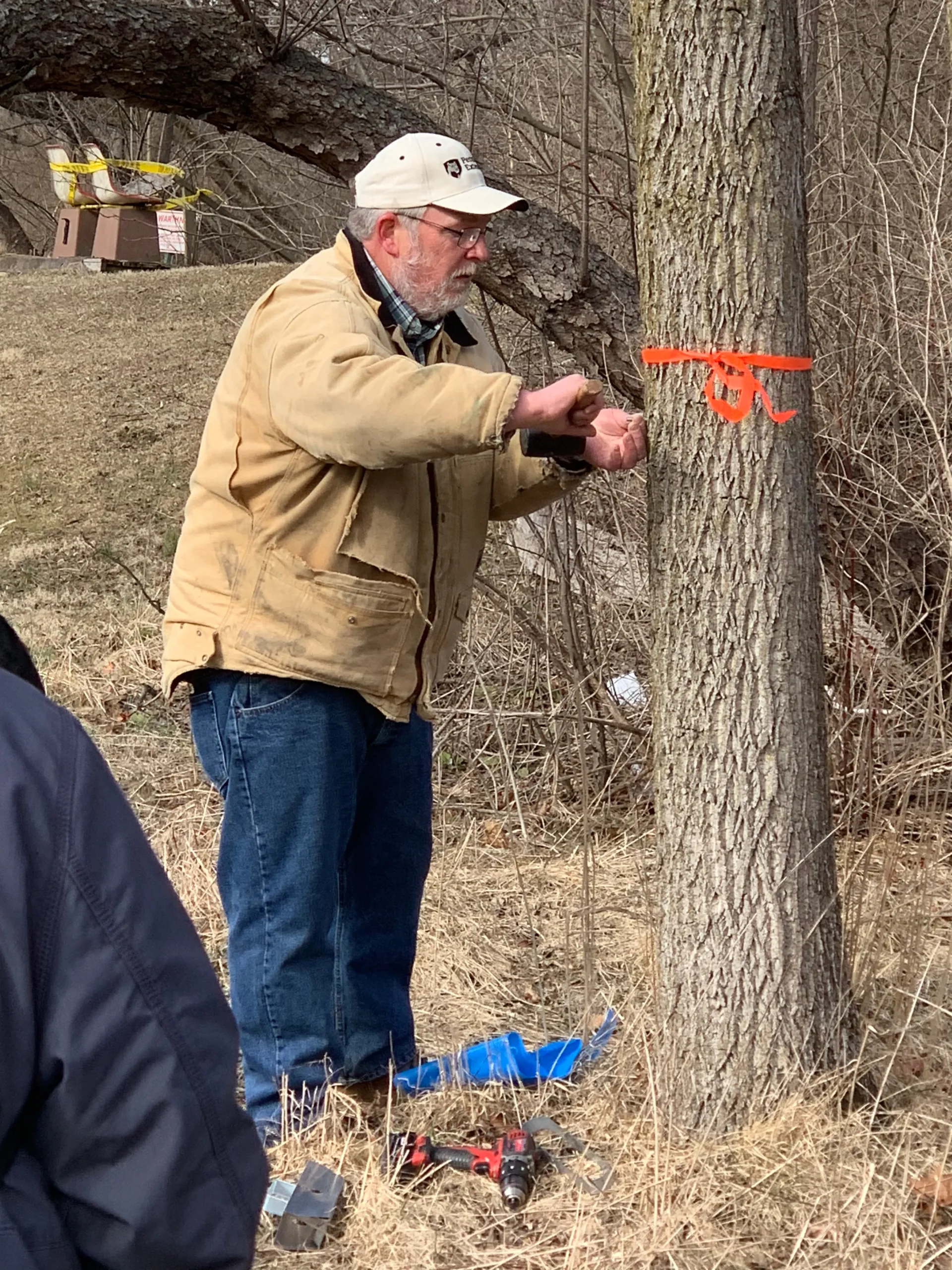
Late Winter - Tapping maple trees for their sAp
— Why it matters
Conservation that pays its way.
When a buffer also yields a harvest, landowners are far more likely to plant one — and to keep it for the long run.
It still protects the stream
First and foremost it's a buffer — shading the water, filtering runoff and holding the bank against erosion, just like any forested edge.

It recharges groundwater
Berries, nuts, fruit and cut flowers come off the same plants doing the conservation work — food, income, or simply something to pick.

It produces a harvest
Flowering and fruiting plants draw bees, butterflies and birds — stacking habitat value on top of the buffer's other jobs.

It keeps people connected
A buffer you harvest from is one you'll tend and value — turning a conservation line on a map into a place people actually use.
— the different types
Three harvests from the buffer.
Visit to see the versitility of these beffers in person. Conservation plantings feed people, pollinators and birds.
TYPE 01
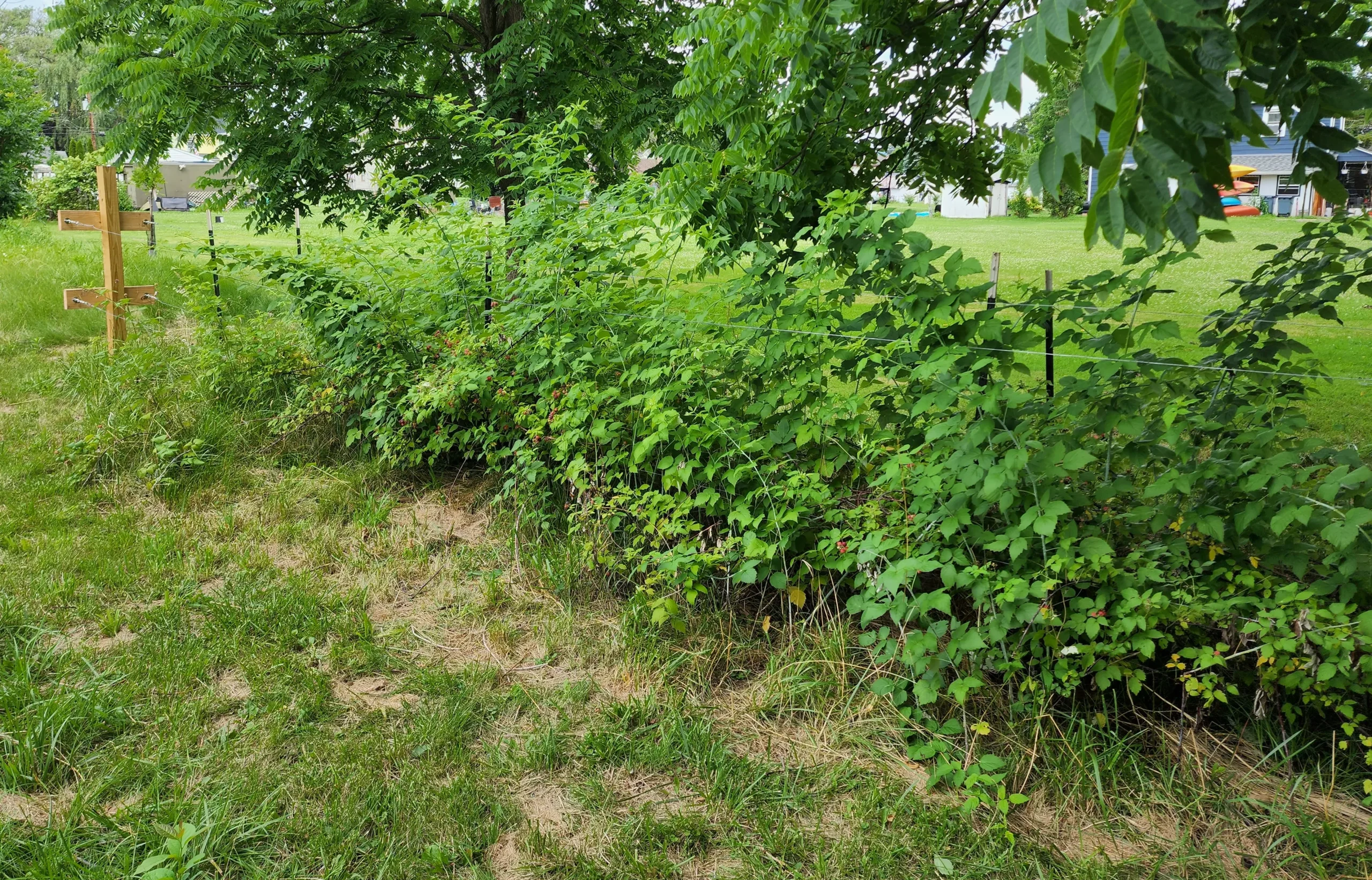
Edible Buffer
Elderberry, blueberry, black raspberry, hazelnut and fruit trees — a streamside hedge you can harvest for food, jam or market.
TYPE 02
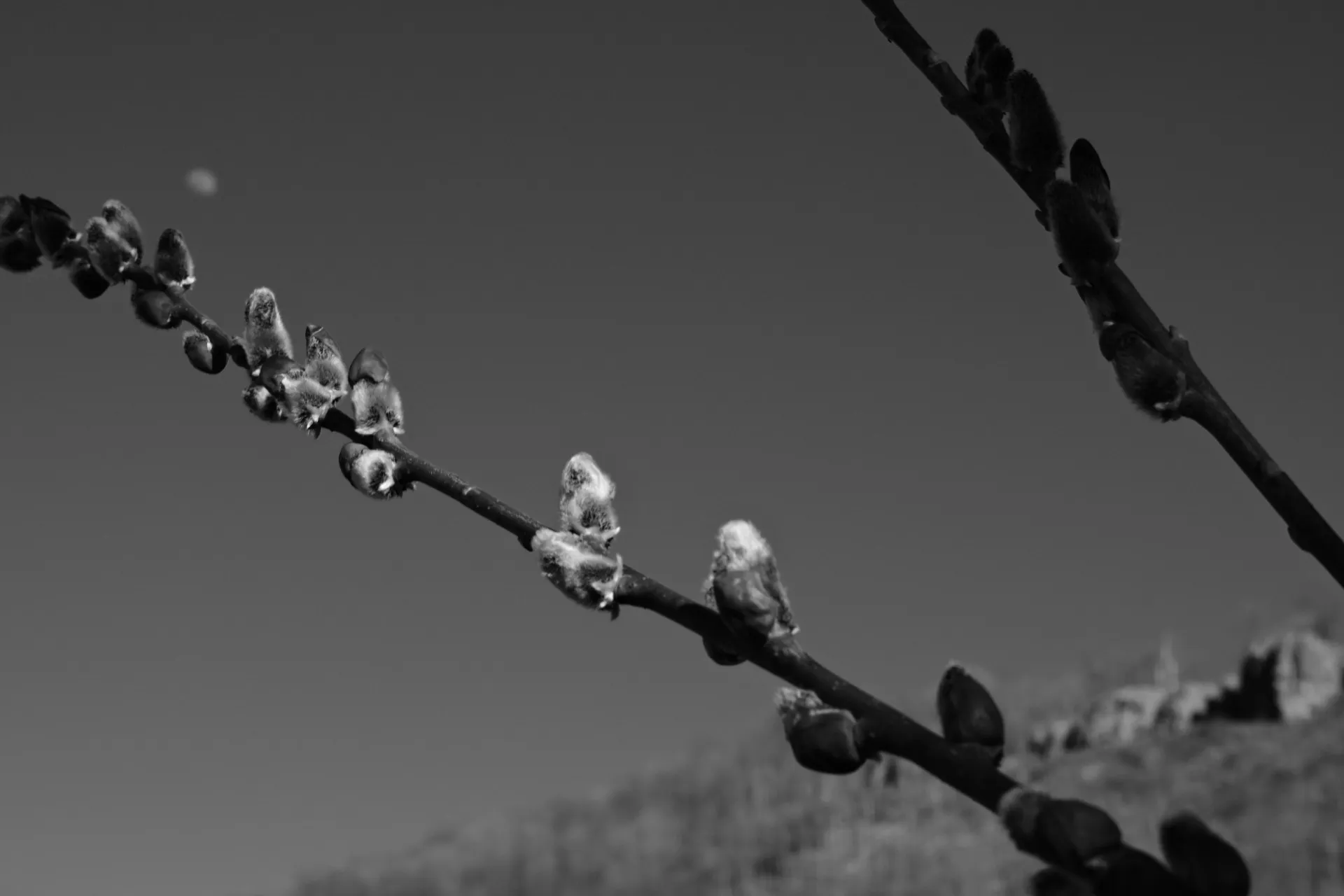
Floriculture Buffer
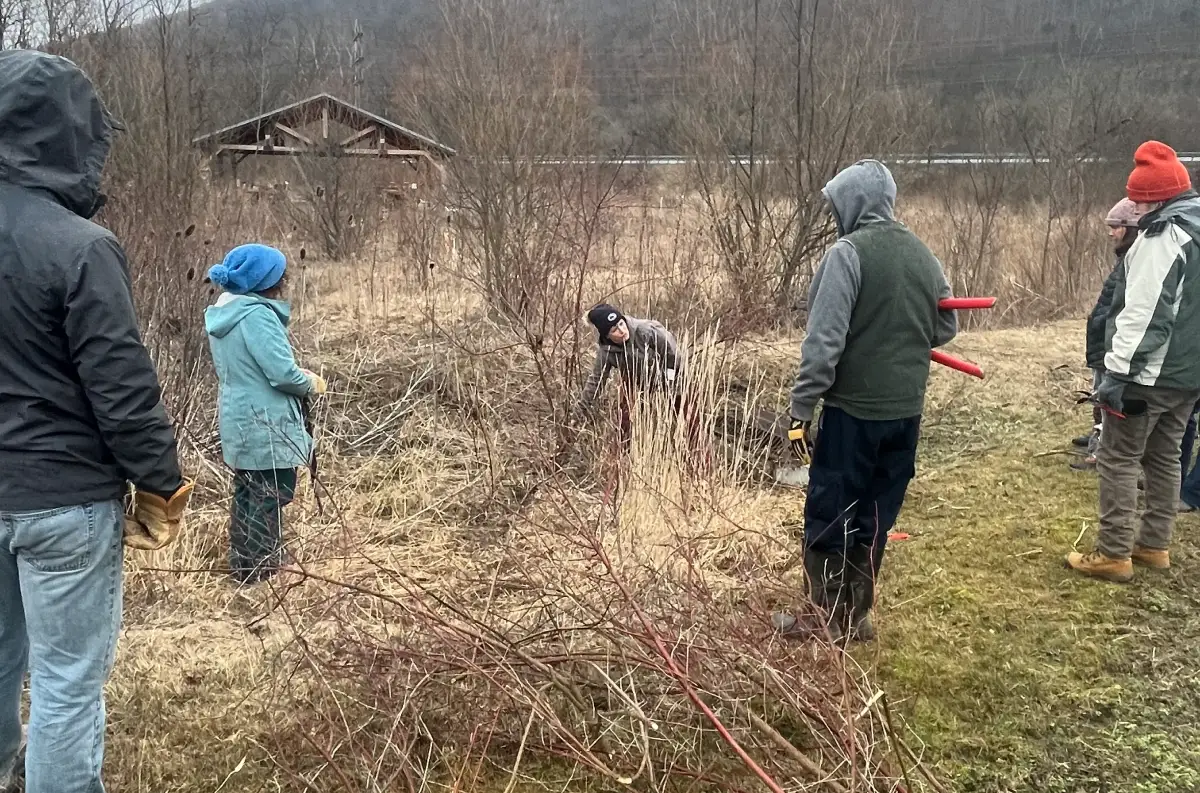
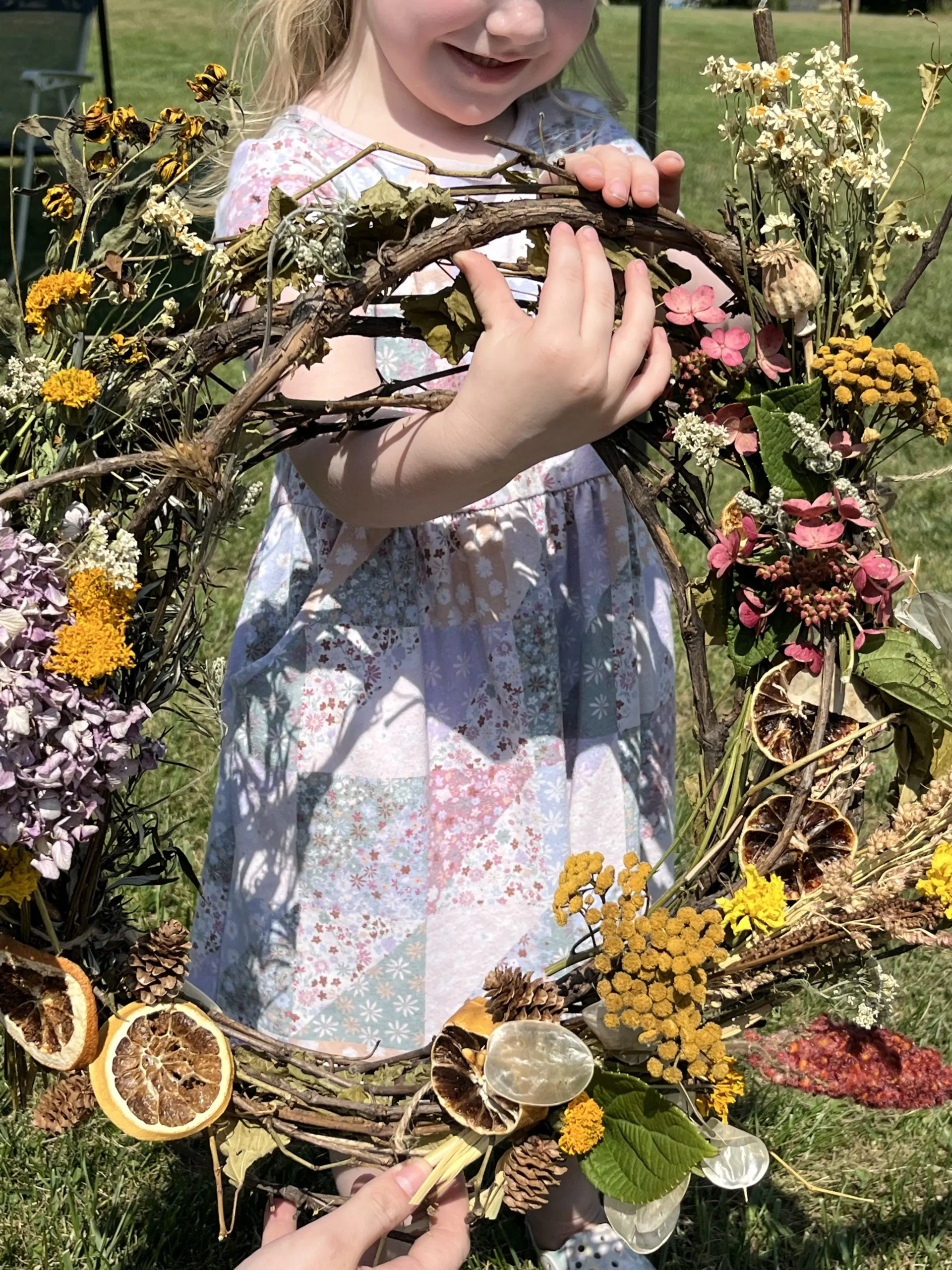
Native flowers and woody stems — pussywillow, dogwood, sunflowers — grown along the stream and cut for bouquets and arrangements.
TYPE 03
Woody Crops
Fast-growing willow, coppiced on a cycle for basketry and biomass — and maples tapped each late winter for sap. The buffer keeps growing back.
By The Numbers
A working edge along the water.
jobs from one planting — protecting the stream, feeding wildlife, and producing a harvest, all from the same buffer.
is a common minimum buffer width — and even a narrow strip can be planted to do more than one job.

Coppiced willow regrows from the stump — cut it back and a single plant keeps producing stems for decades.
Native shrubs like elderberry and black raspberry feed pollinators and birds while the fruit feeds people too.
— See it in the park
Scan. Learn. Grow.
Throughout NatureWorksPark, interpretive signs carry QR codes that open up each exhibit's story on your phone — right where you're standing.
step 1
Step 2
Step 3
See what's in season
BROWSE ALL PARK EXHIBITS →

SCAN AT THE SIGN
bit.ly/MFBuffer
— Plan Your Visit
Walk the
working edge.
The Multi-Functional Buffer follows the berry and willow border along the stream — see conservation plantings that also feed people, pollinators and birds.