
EDUCATIONAL PROGRAMS — NATUREWORKSPARK
YOUTH
Programs
Hands-on, get-your-feet-wet programs that turn the park into a living classroom for kids — catching stream bugs, becoming a monarch butterfly, planting a garden, and meeting a tortoise named Franklin. Curiosity encouraged.
Age Group
Schools & Youth Groups
Season
April - July
— Learning, Outdoors
Where the classroom has no walls.
NatureWorksPark's school and youth programs are built for hands-on discovery. Children wade into the stream, follow a monarch through metamorphosis, dig into the soil food web, and come nose-to-nose with Pennsylvania's turtles — learning by doing, not by watching.
Each program pairs real field science with simple takeaways kids can carry home: a seed ball to start a pollinator garden, a way to keep a stream clean, a reason to leave a turtle where it belongs. Programs run on-site among the trails, wetland, and gardens.
5+ programs
Get off-grid
field science geared to schools & youth groups
In The Park
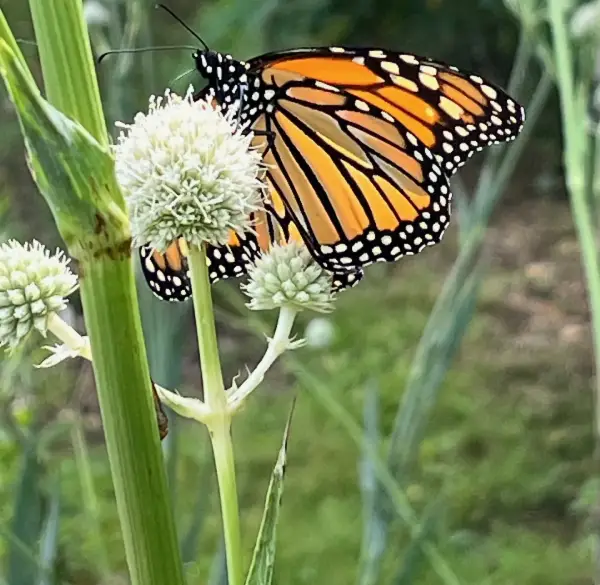
Monarch on Native planting of Rattlesnake Master
- April & May · Spring
The Annual Water Festival
Our flagship spring event for school groups — a day built around one big question: what is a watershed, and how does what we do on the land reach all the way to the Chesapeake Bay? Students rotate through four hands-on stations exploring our local watershed and the water we all share.
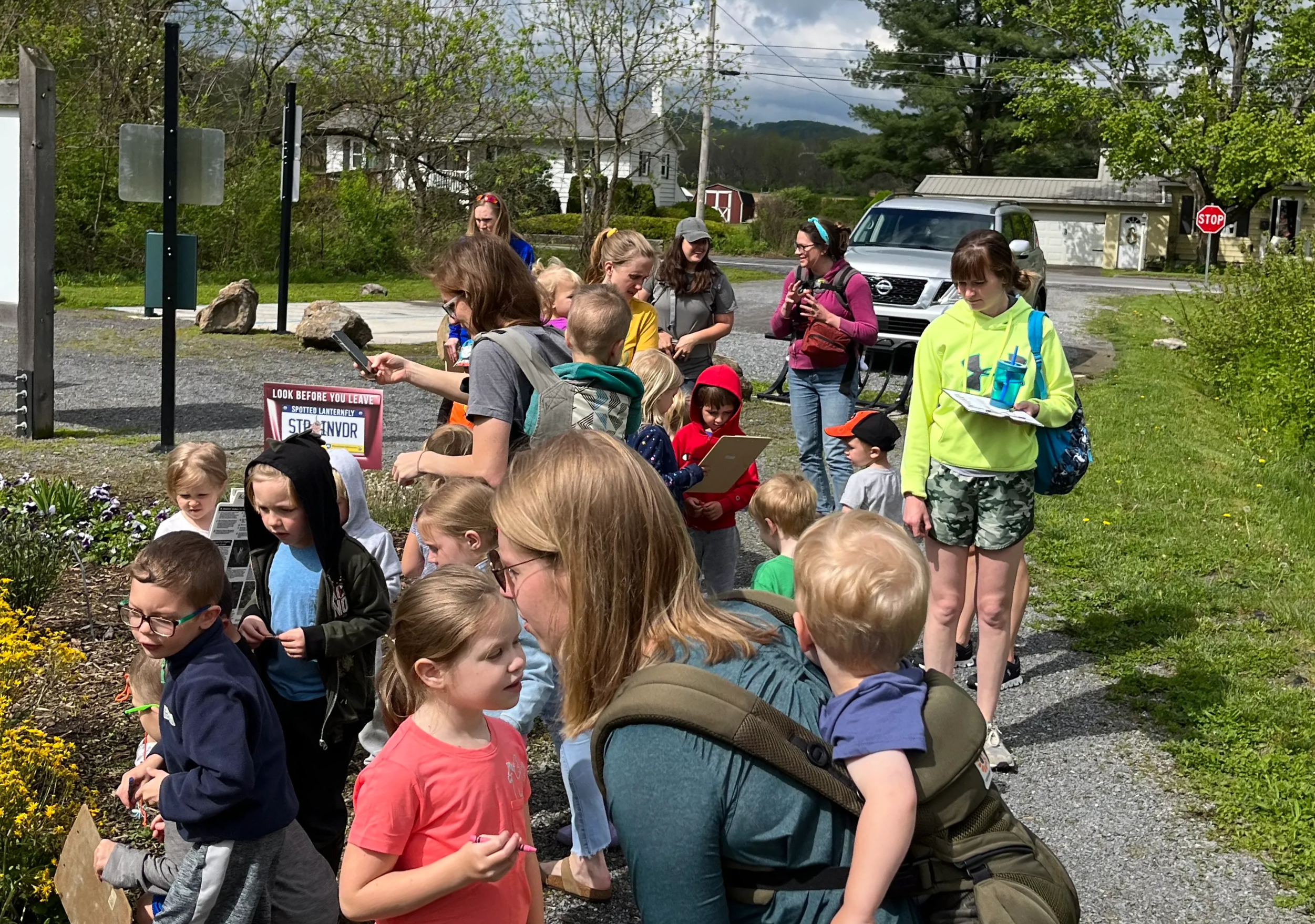
Kids Arriving for Water Festival

What is a watershed?
A watershed is an area of land where all the streams and rivers drain into one larger body of water — a river, a lake, or the ocean. We'll map our local watershed and the impact it has all the way downstream on the Chesapeake Bay.
Why water quality matters
Clean water keeps people, animals, and plants healthy. Using an Enviroscape model, students simulate the different kinds of pollution that wash off our landscapes — and see firsthand how each one affects the water everyone depends on.

Stream study
How healthy is your local stream? Macroinvertebrates — tiny stream insects — are a quick, simple indicator. Students catch live macroinvertebrates and identify them with a dichotomous key to find out whether the water can support a healthy fish population.
What can we do?
Riparian buffers, wetlands, and rain gardens to the rescue. A river lab shows how streamside buffers prevent erosion, pollution, and flooding, and the Penn State Extension "Rain to Drain" kit lets students test green roofs, porous concrete, and rain gardens for themselves.
— at a glance
Find the right program for the season.
Programs follow the school year and the growing season. Here's when each one typically runs — contact us to schedule a date for your group.
SPRING
April & May
Annual Water Festival
Late Spring
May & June
Bees, Birds & Butterflies
Is Your Stream Clean?
My Garden
Summer
July
Turtle Talk!
— More Ways to Explore —
Four hands-on adventures.
• May & June - Late spring
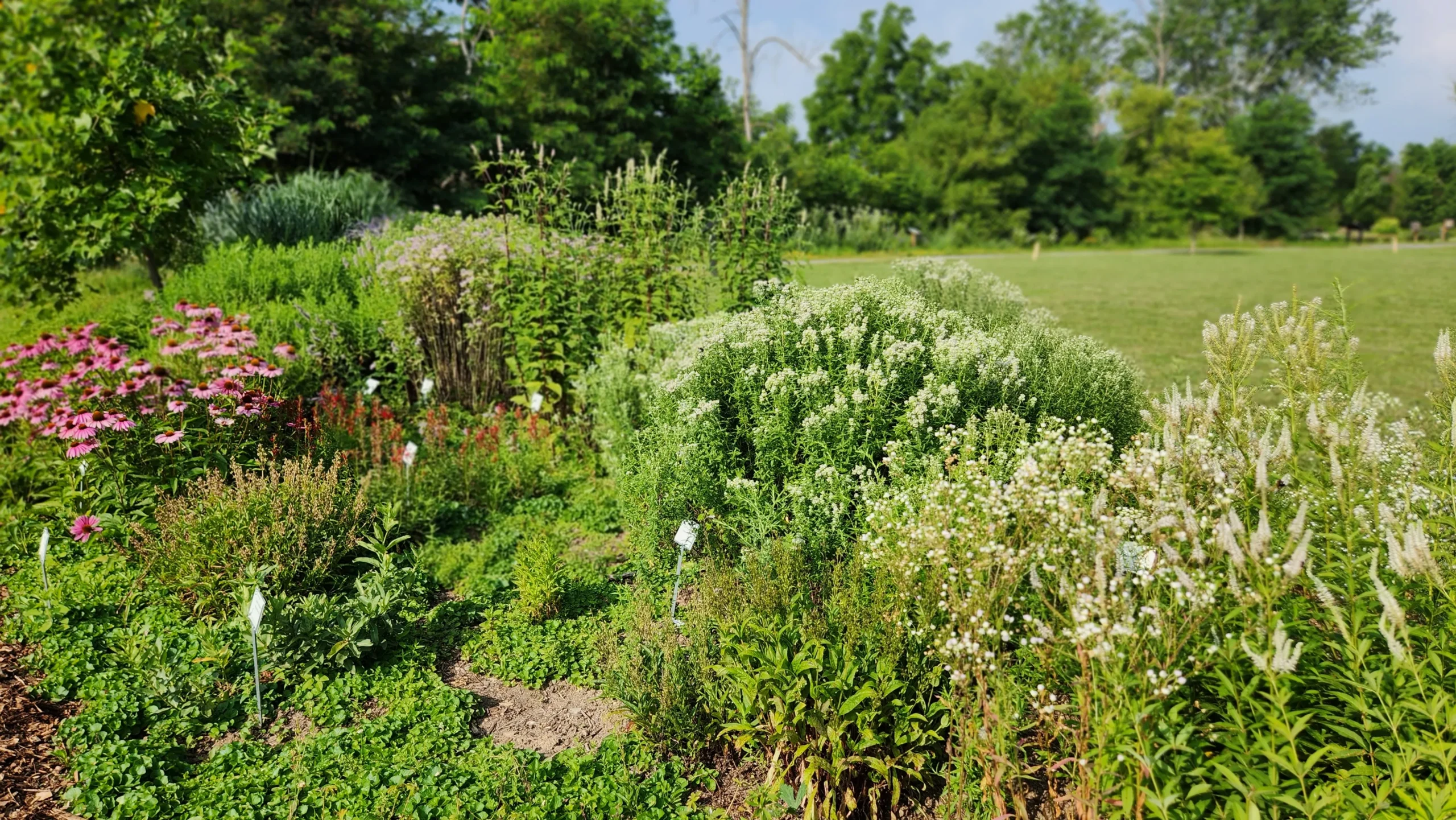
Bees, Birds & Butterflies!
Children learn why native plants matter so much to pollinators and local wildlife. They'll act out the process of pollination, move through metamorphosis to become a beautiful monarch, and finish by making a seed ball of native plants to start a pollinator garden of their own. Because insects rely on native host plants — and fewer native insects means fewer birds — what we plant in our yards will decide the wildlife that can live in Pennsylvania in the future.
Polination | Metamorphosis | Make a Seed Ball
• May & June - Late spring
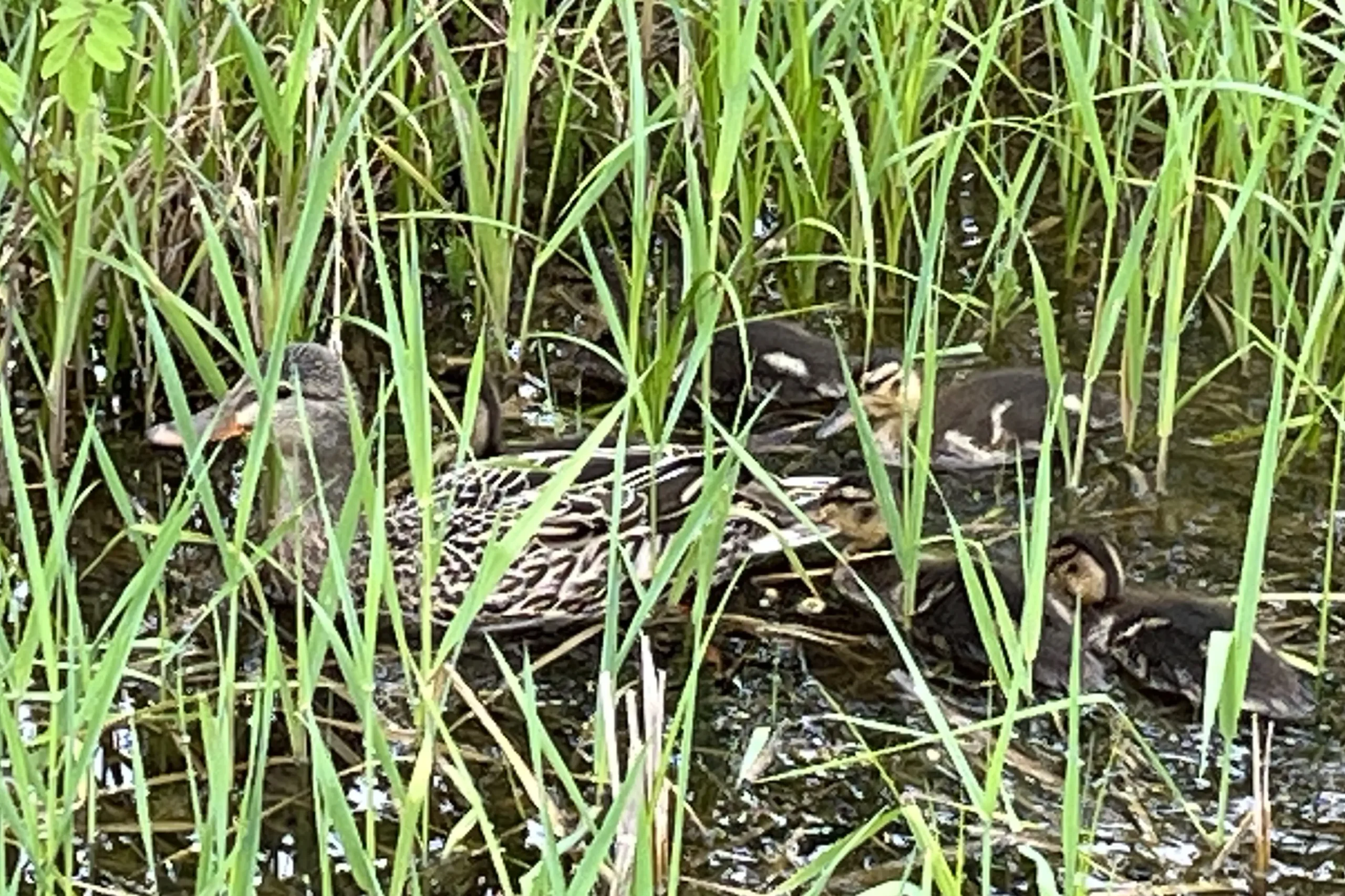
Is Your Stream Clean?
Bring your water shoes — children will get wet for this one. Macroinvertebrates are the tiny insects that live in streams and feed fish and other aquatic life. Kids learn the major body segments (head, thorax, and abdomen) and how to tell larval, nymph, and adult stages apart, then catch live macroinvertebrates and identify them with a dichotomous key to decide whether their stream is clean enough for a healthy fish population.
Get Wet | Macroinvertebrate | Field Science
• May & June - Late Spring
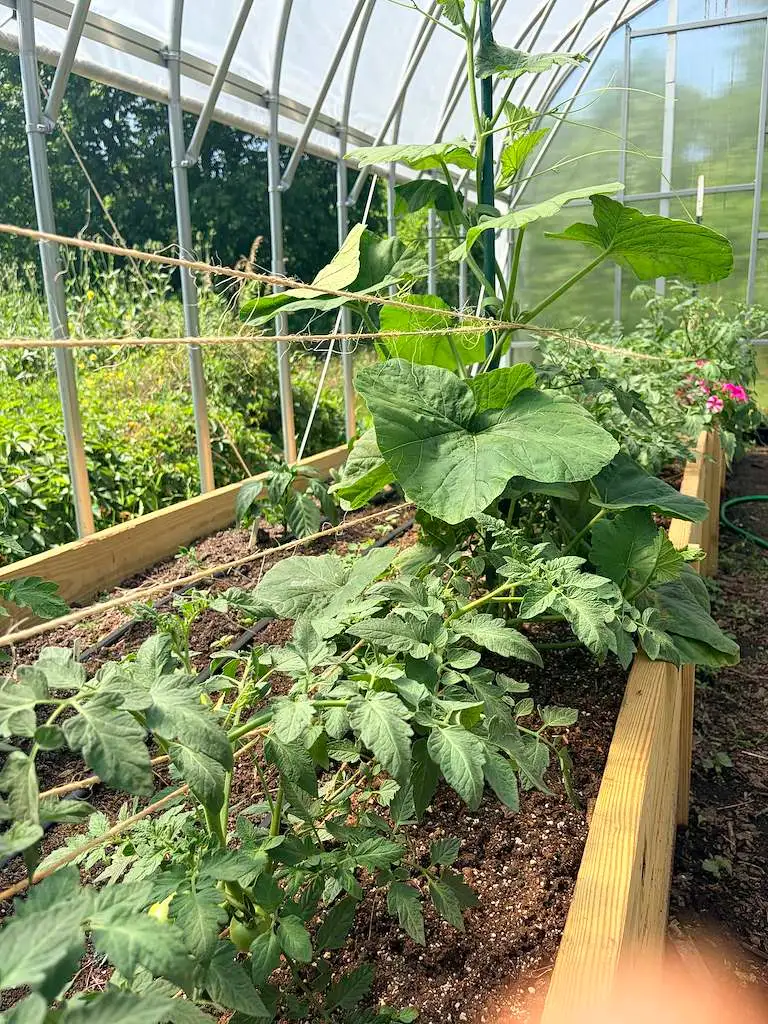
My Garden
Learn how to start and care for your own garden full of food you love to eat. Children discover the different parts of a plant and why each one matters, practice proper technique for planting seeds and potted plants, and explore the soil food web — an invisible world full of life-and-death drama right beneath our feet. They'll also learn how compost improves garden soil.
Growing | Soil Food Web | Composting
• July - Summer
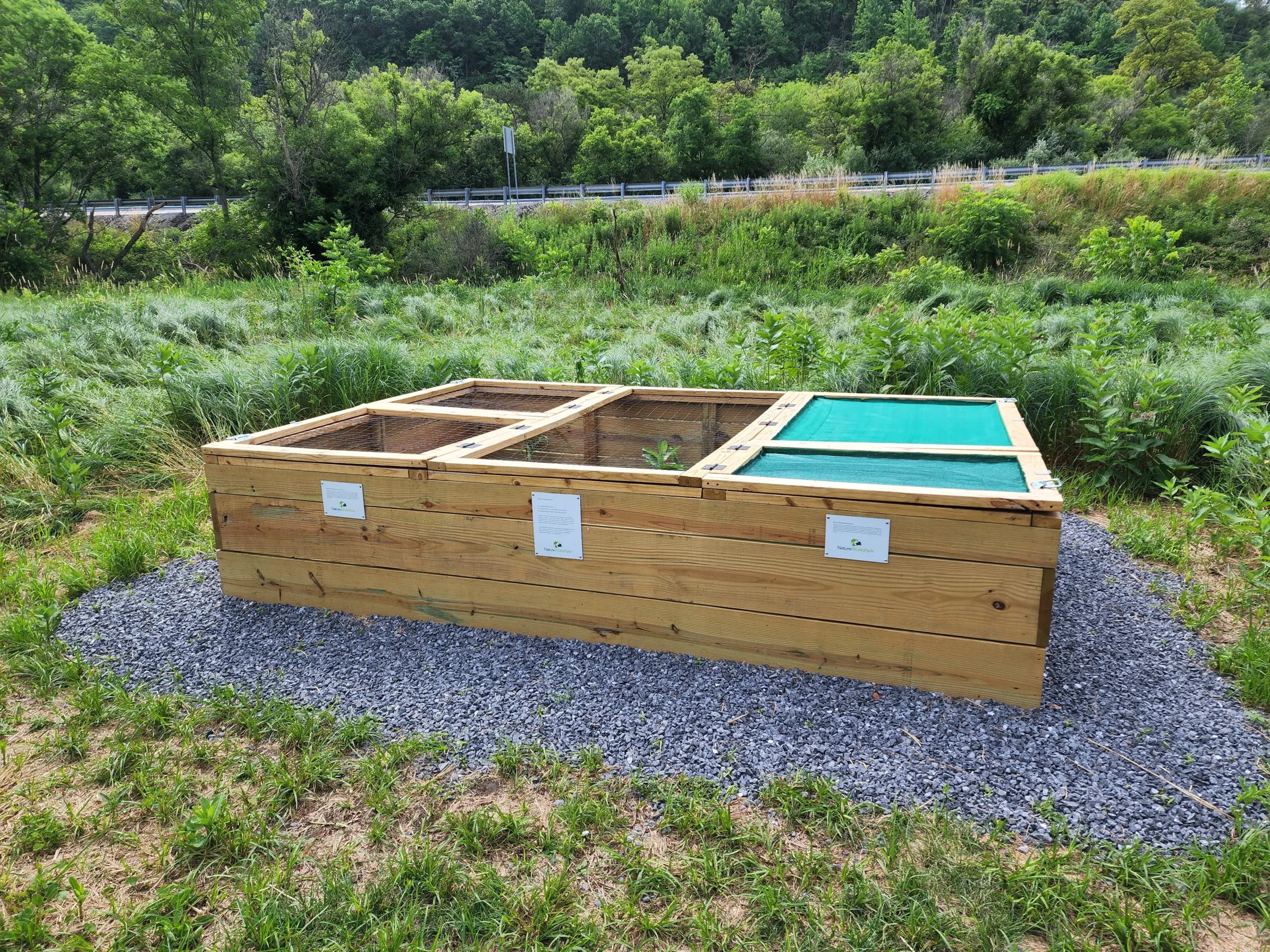
Turtle Talk!
Turtles are awesome reptiles. With help from our non-native friend Franklin the tortoise, children learn the difference between turtles and tortoises, then explore the habitats of Pennsylvania species like the Common Snapping Turtle, Eastern Box Turtle, and Wood Turtle. Kids find out how they can help the turtles that call Pennsylvania home — protecting habitat, helping turtles cross the road safely, and remembering the golden rule: when you see a turtle, take a picture, don't pick it up!
Meet Franklin | PA Reptiles | Habitat Heros
— Bring Your Group
Book a program
for your class.
School and youth programs can be scheduled throughout the spring and summer for classrooms, scout troops, camps, and community youth groups. Contact the Blair County Conservation District to plan a date and tailor a program to your group.