
Exhibit - No. 2
urban Agriculture
Growing food right where people live — and discovering how city farming feeds communities, cools neighborhoods, and brings nature home.
Location
Community Garden Beds
Best Season
May – October
— What is Urban Agriculture?
Food, grown right where we live.
Urban agriculture is the practice of cultivating food in a city — for the people who live there and for markets close to home. It turns small, overlooked plots into something abundant.
Vacant lots, community gardens, even rooftops become places to grow fruit, vegetables, herbs, and — where city limits allow — livestock. At NatureWorksPark, our raised beds and hoop house show how it works up close.
40 lbs
1,500 mi
the average distance food travels to your plate
In The Park
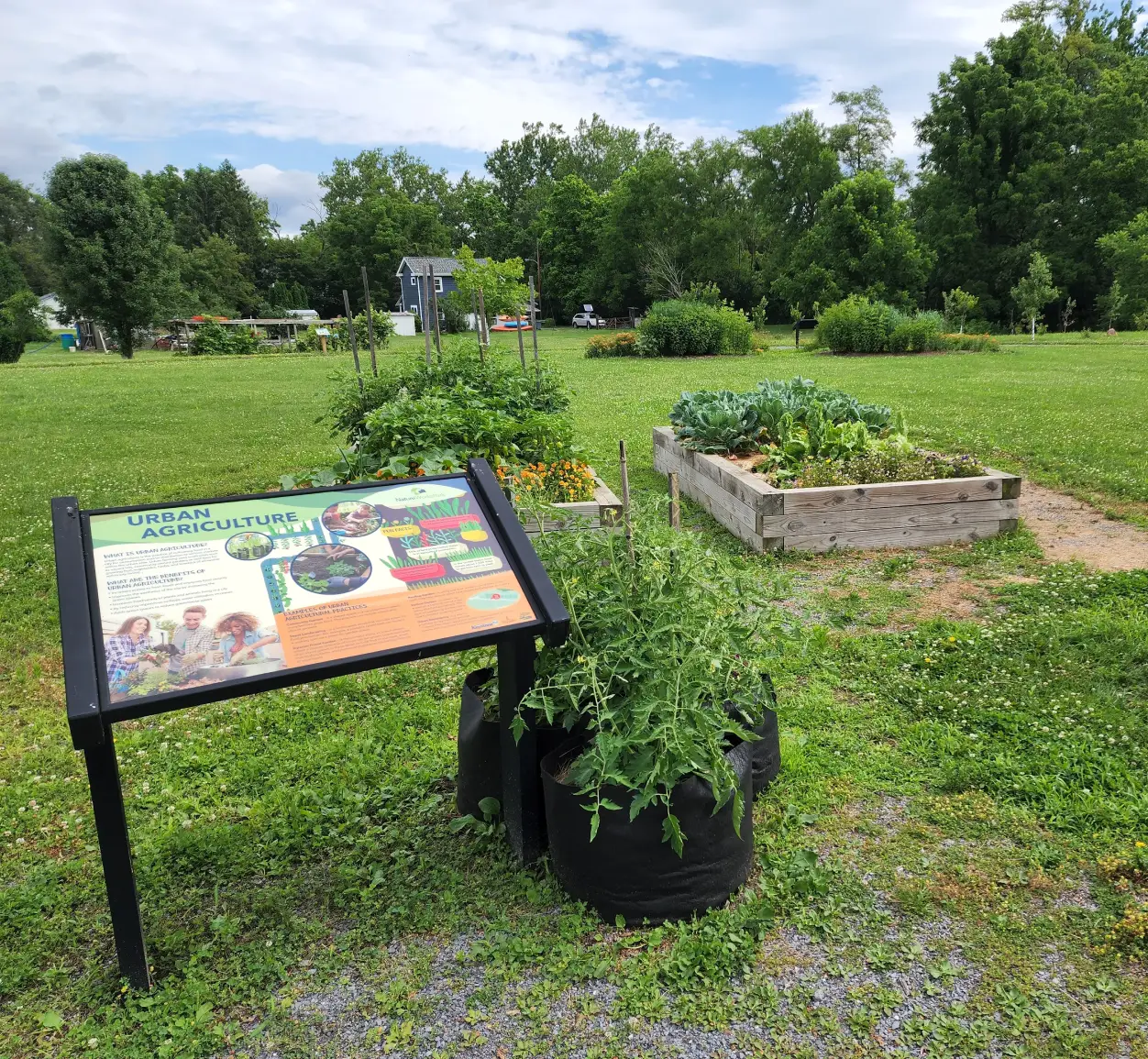
The Urban Agriculture exhibit & demonstration beds
— What is Urban Agriculture?
Small plots, surprising returns.
When food grows in the city, the whole neighborhood benefits — from the dinner table to the watershed.

Fresh food, closer to home
Increases access to fresh produce and strengthens local food security.

Greener cities
Improves the look of the city by adding living, growing green space.

More biodiversity
Increases the variety of plants and animals that can live in a city.

Water that soaks in
Reduces hard, impervious surfaces so rainwater can infiltrate the ground.

Cleaner air
Adds green space that helps absorb and reduce greenhouse gases.

And it brings people together
Community gardens turn neighbors into growers — and growers into a community.
— 6 Ways To Grow
Urban agriculture takes many forms.
Support the park and bring a piece of NatureWorksPark into your home, garden, or classroom.

PRACTICE 01
Community Garden
Growing food where people live — community gardens, rooftops, vertical walls and the beds in our own demonstration garden.

PRACTICE 02
Street Landscaping
A landscaped street with room for food production — like a portable raised bed taking the place of a parking spot.

PRACTICE 03
Riparian Forest Garden
The corridor along an urban stream, planted with fruit & nut trees, berry bushes, herbs, and perennial vegetables like rhubarb and asparagus.
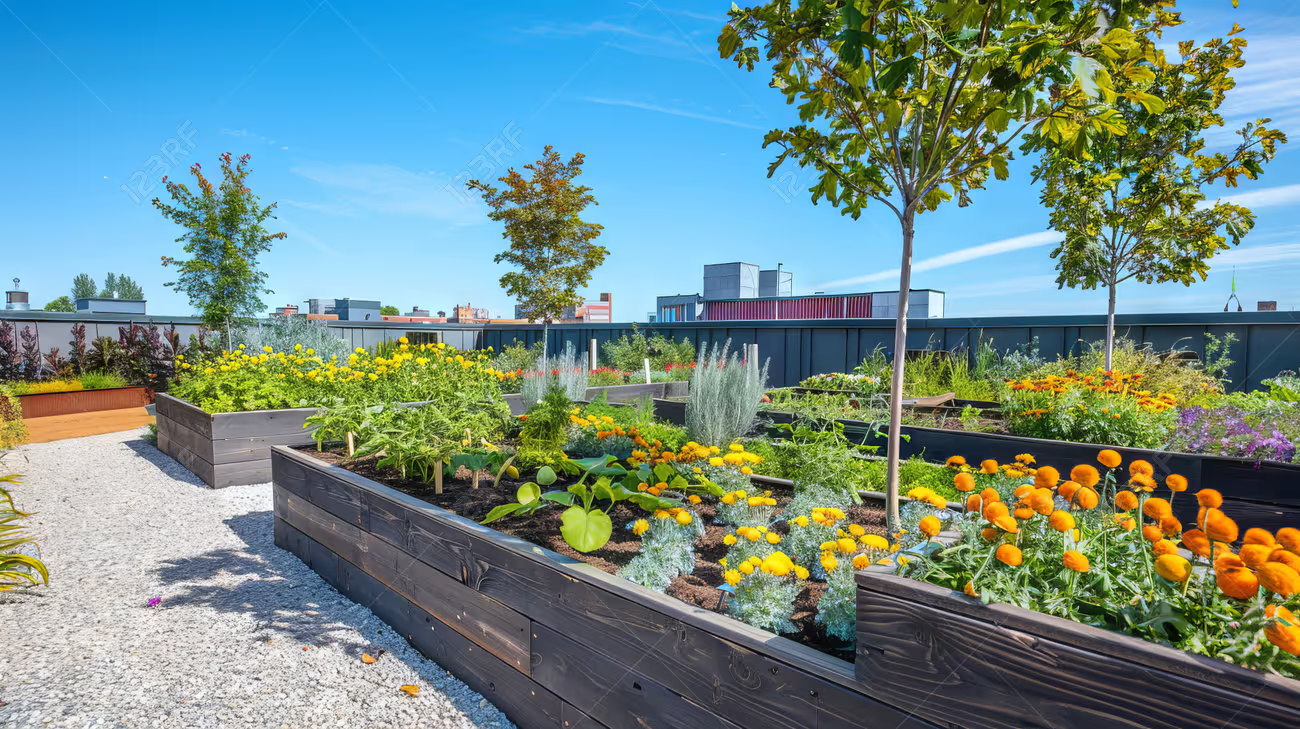
PRACTICE 04
Rooftop Garden
Growing food on a roof. Green roofs help cool urban heat islands and improve the air quality below.

PRACTICE 05
Vertical Garden
Grown up a wall on a trellis, or out of a wall in stacked containers — perfect where ground space is tight.

PRACTICE 06
Urban Beekeeping
Produces honey while supporting pollinator insects — with real benefits for the gardens growing nearby.
By The Numbers
The Case for Growing in the City
of land in the United States is in agricultural production
of the U.S. population lives in cities — far from where most food is grown.

In the U.S., food travels about 1,500 miles to get from farm to plate.
40 pounds of food can come from a single 10 sq ft garden in one year.
— See it in the park
Learn. Grow. Explore
Throughout NatureWorksPark, interpretive signs carry information and lessons on each exibit — right where you're standing.
step 1
Step 2
Step 3
Explore, then walk the beds
BROWSE ALL PARK EXHIBITS →
— Plan Your Visit
Come grow
with us.
The Urban Agriculture exhibit sits among our demonstration beds and hoop house — a living classroom you can walk through any day the park is open.